Movement Generation
Justice & Ecology Project
We inspire and engage in transformative action towards the liberation and restoration of land, labor, and culture.

Subscribe to Stay Updated!

Frameworks
- Just Transition
- Ecological Justice
- Biological & Cultural Diversity
- Resilience Based Organizing
- Shocks, Slides & Shifts
- Just Recovery
- Disability Justice
Just Transition
Just Transition is a vision-led, unifying and place-based set of principles, processes, and practices that build economic and political power to shift from an extractive economy to a regenerative economy. After centuries of global plunder, the profit-driven, growth-dependent, industrial economy – rooted in the myth of white supremacy, heteropatriarchy, consumerism, and ableism – is severely undermining the life support systems of the planet. An economy based on extracting from a finite system faster than the capacity of the system to regenerate will eventually come to an end—either through collapse or through our intentional re-organization. Transition is inevitable. Justice is not.
Ecological Justice
Our focus as MG, is ecology. Almost everything in our work refers to ecology, ecological justice, and/or economy. By taking a radical look at the origins of these key foundational terms, we are able to build a language for communities that are striving to move a unified vision and strategy for ecological justice and a Just Transition towards local, living, loving economies. We believe it is foundational to understand the reorientation to economy and ecology, and the definition of ecological justice, as introduced through this framework.
Biological & Cultural Diversity
Biocultural diversity is the true web of life: the interlinked diversity of biological diversity, cultural diversity, and linguistic diversity. Biocultural diversity (BCD) is at the core of what’s at stake for us in our fight for ecological justice and it is also our best defense. Diversity assures resilience in living systems.
What humans contribute to biodiversity is a “co-evolved knowledge of place.” Wherever one finds richness in biodiversity, one can also expect to find a great number of distinct languages and, by implication, a great number of distinct cultures. That detailed knowledge of place has been culturally transmitted for millennia and in a few short centuries rapidly disrupted. Rapid erosion of biodiversity simultaneously leads to and is caused by the erosion of cultural diversity; this compromises our collective survival.
Resilience Based Organizing
At Movement Generation, we have been learning about and supporting inspiring stories of direct action resilience in many places across the country and the globe. We have been particularly interested in organizing work that has in common a shared recipe for change – one that draws deeply from our diverse ancestral and experiential wisdom of how to live well together (buen vivir) and combines it with the strategies needed to upend the power-structure of the dominant political-economy and usher in the next economy based on a new, single bottom line: balanced, life-affirming relationships in the places we call home.
Shocks, Slides & Shifts
Instability has become a defining feature of our times. In many ways, this instability is the new landscape of social struggle. It is useful to classify the economic and ecological disruptions that make up this “new normal” of instability into two groups: shocks and slides.
While they share a set of root causes, the scale, pace and implications of shocks and slides differ and therefore require different responses by social movements. One of our key roles as social movements must be to harness the shocks and direct the slides – all towards achieving the systemic, cultural and psychic shifts we need to navigate the changes with the greatest equity, resilience and ecological restoration possible.
Just Recovery
From hurricanes to a global pandemic to wildfires, tsunamis, and mass extinction, the chaos of this moment confirms what we’ve known about climate disruption – its power to devastate along lines of existing injustice is no accident, and because of that, recovery must be led by the people on the frontlines. As disasters hit communities under attack by pre-existing systemic forces of oppression, we witness and experience explosive moments of devastation for the land and people in those places. This begs us to recognize that response efforts cannot just band-aid the immediate damage of disasters, but must be situated in long term vision and strategies that center justice. People in the US and abroad have been practicing this through post-disaster community organizing efforts known as Just Recovery. Guided by the leadership of communities building and re-building home everywhere post-disaster, we humbly offer this framework for a Just Recovery. We offer it to those organizing on the ground and those on the frontlines of all social, economic, and ecological struggles – who are preparing for the possibility of disasters in their future.
Disability Justice
MG sees disability and language justice as central and necessary for the liberation of people and the planet. Our comrades in the disability justice movement teach us that access is not just about logistics, but a collective responsibility to put into practice how we want to live in the world together.
Programs
Political Education
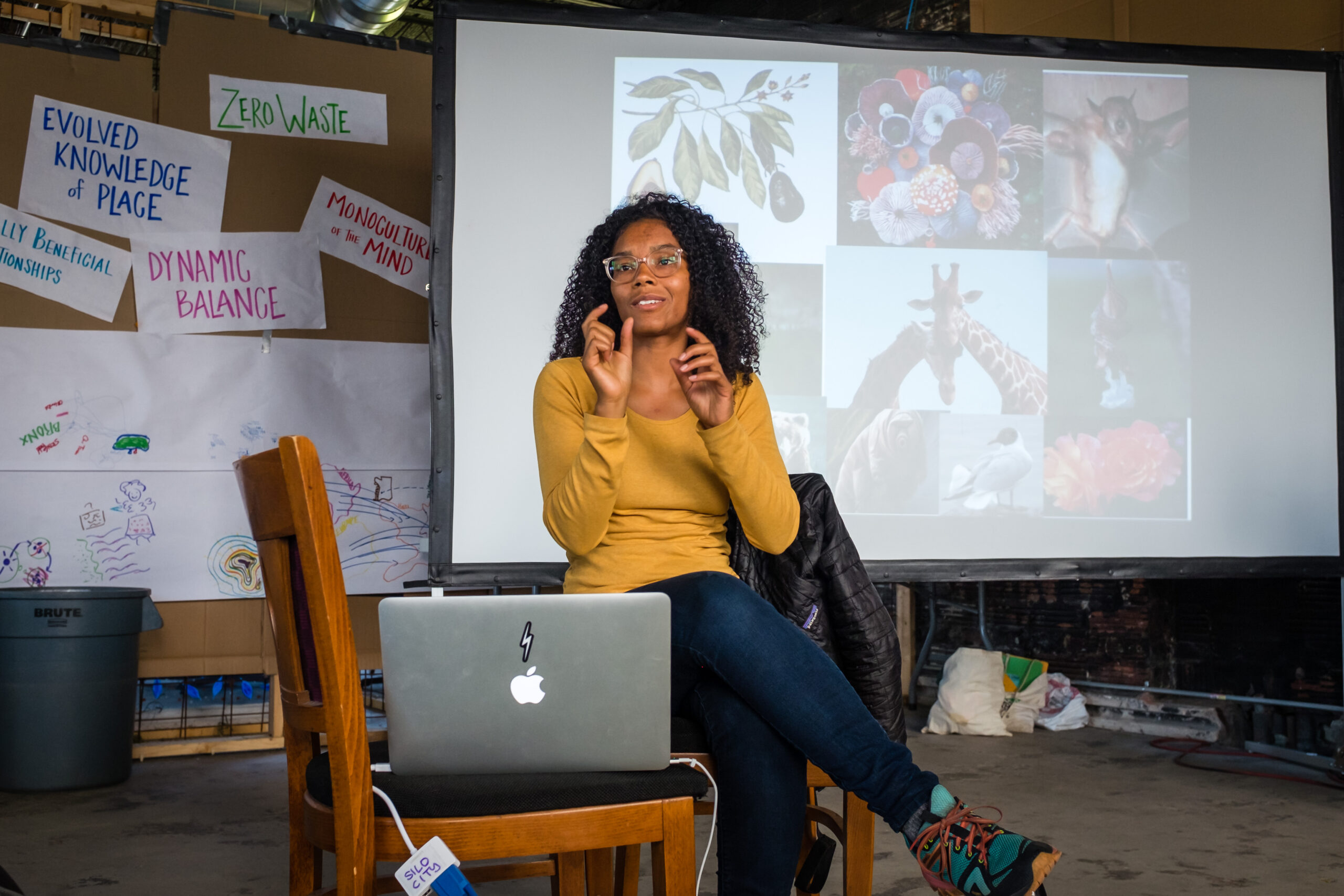
Movement Generation’s political education programs include multi-day retreats, strategy labs, workshops, webinars, and online courses that aim to build the rich soils of analysis and strategy our movements need to activate, strengthen and grow. Our goal is to build shared understandings of the impacts of the global ecological crisis on our communities and the web of life that we depend on, while igniting strategies for a Just Transition.
Movement Building
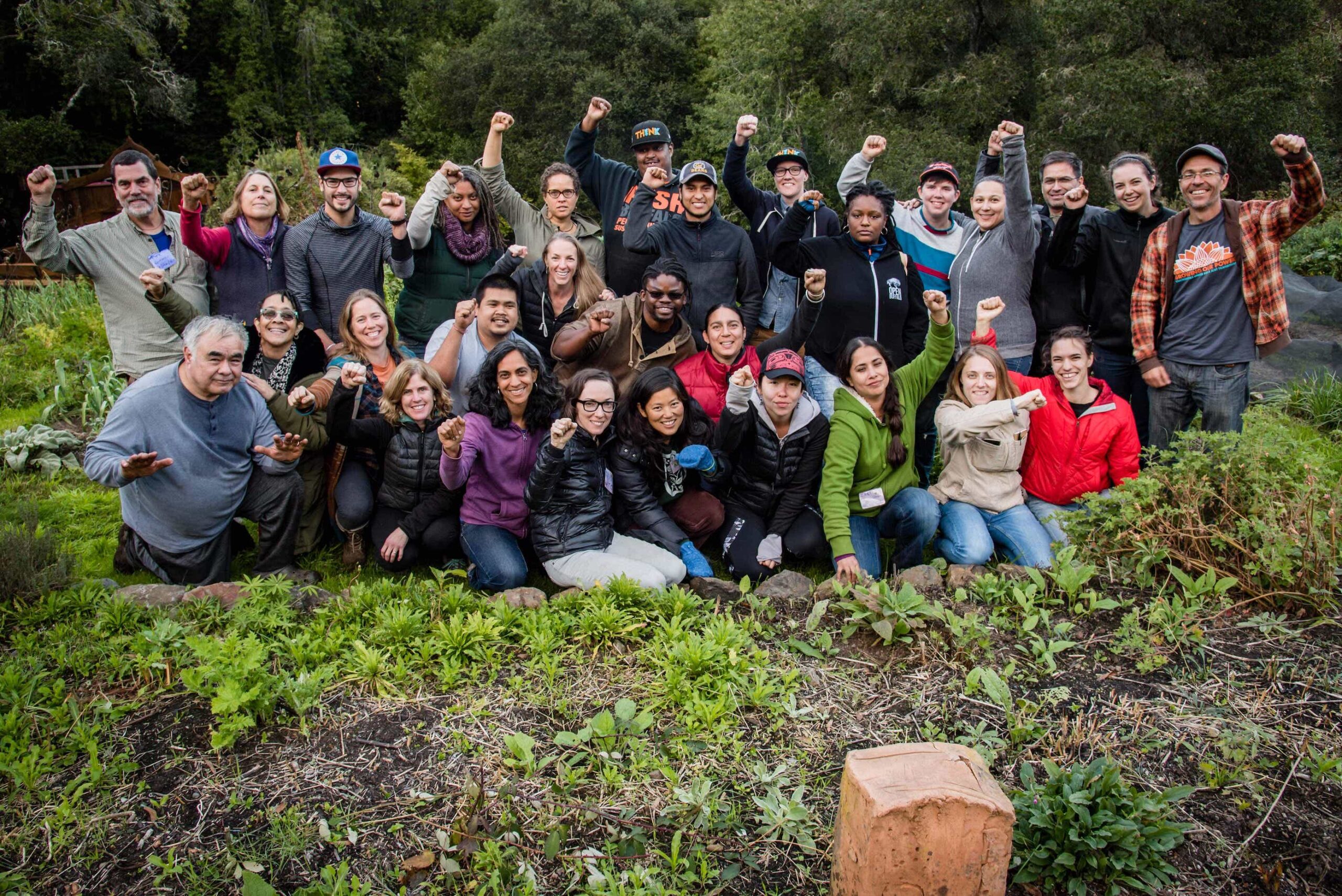
Movement Generation’s Movement Building programs nurture, strengthen, and build the movement ecosystem of organizations and alliances that are achieving a Just Transition to local, living, loving economies. We commit to growing and building powerful, thriving movement vehicles that implement visionary and oppositional strategies locally and nationally.
Cultural Strategy
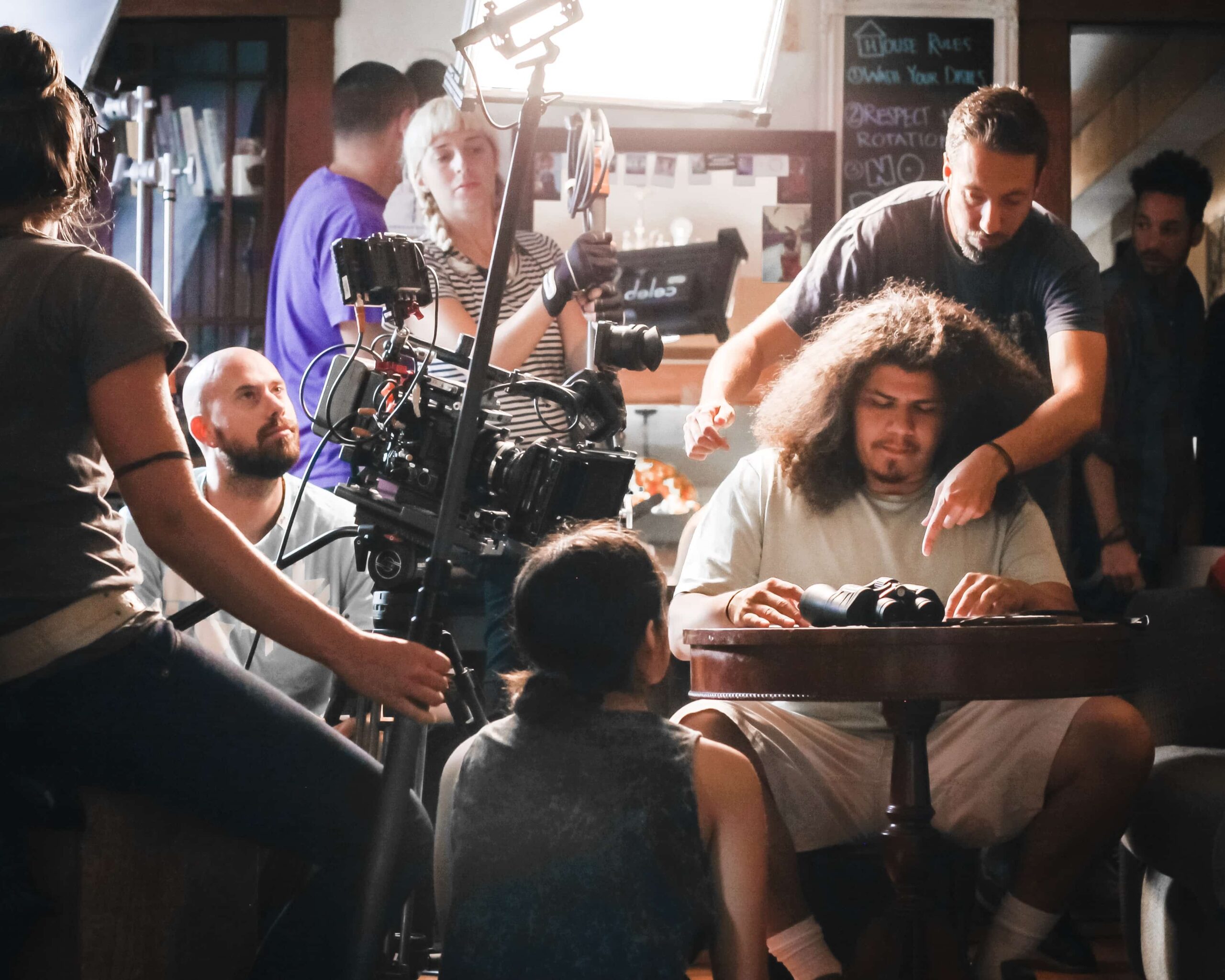
Movement Generation uses arts and cultural production together with grassroots organizing to popularize our frameworks and actionize our strategies. We call on arts and cultural production to accompany us through the struggle and contradictions of transition, so that we stay on track and continue leading with vision and fierce love. By collaborating, creating, and providing analysis of the political landscape, our work aims to help make meaning of the ecological crisis and the roles that we all play in collective cultural shift.
Resources
One Year on the Land
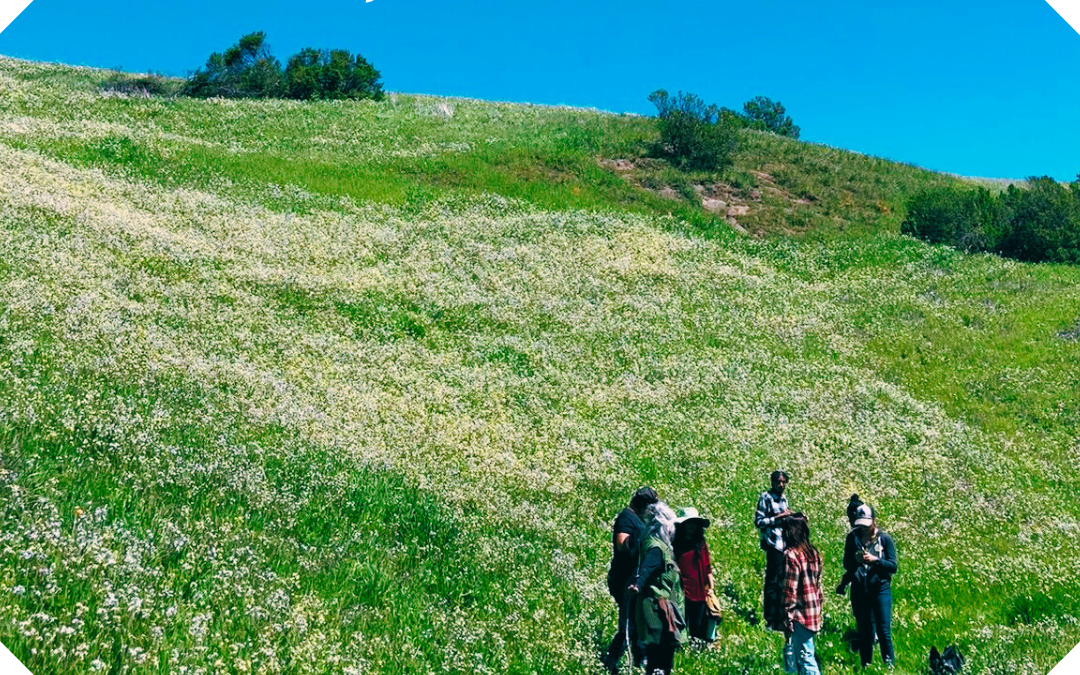
After rematriating land in the San Francisco East Bay, here’s what our first year of caring for the land was like.
Support Movement Generation
Justice & Ecology Giving Network
We created the Justice & Ecology Giving Network to democratize capital, better engage individual donors, and to give away 10% of our annual fund to other groups that do great work.
Click the “Donate” button to join.